

If you watch a Formula 1 race only from the grandstands, it looks like the ultimate individual sport. As an avid Formula 1 fan, who hasn’t witnessed the sport live, this is what I am always pondering. You see a single driver in a carbon-fiber cockpit, fighting massive G-forces, and battling the grid entirely on their own. Not just from the grandstand, it appears to be an individual sport for a person watching a race for the first time.
But if you look behind the scenes at the team’s pit wall, you realize that a modern F1 car is actually a highly interconnected data node.
Every Formula 1 car is packed with hundreds of biometric and mechanical sensors. During a single two-hour race, a car transmits over a billion data points, known as telemetry points, back to the team’s engineers on the pit wall. They track everything from tire degradation and brake temperatures to the driver’s heart rate and the precise aerodynamic load on the front wing. This data is highly valuable for formulating a strategy, but its true power is unlocked by the fact that every F1 team runs two cars on the track.
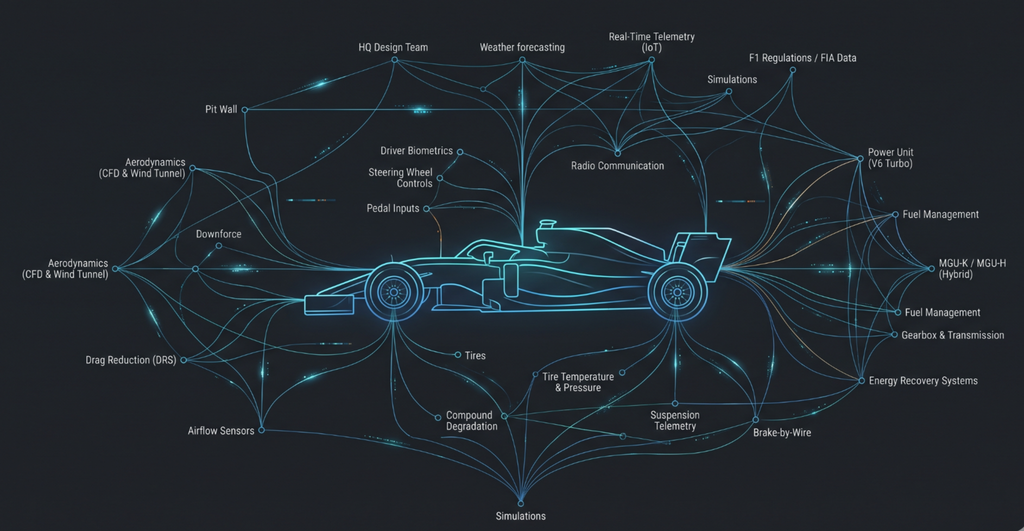
Because both cars are connected to the same pit wall, they do not have to learn the same hard lessons independently. If Driver A decides to test a new racing line through a tricky corner, or if they discover that the “hard compound” tires are performing exceptionally well in current weather conditions, the pit wall immediately captures that data. The engineers don’t just keep that insight limited to Driver A; they instantly radio Driver B.
Through the pit wall, Driver B is given the exact strategy adjustment needed to speed up, without having to take the initial risk or spend the time testing it themselves. One driver’s breakthrough on the track instantaneously becomes the entire team’s collective advantage. By actively sharing telemetry, the team ensures that both cars cross the finish line faster than they ever could if they were driving in isolation.
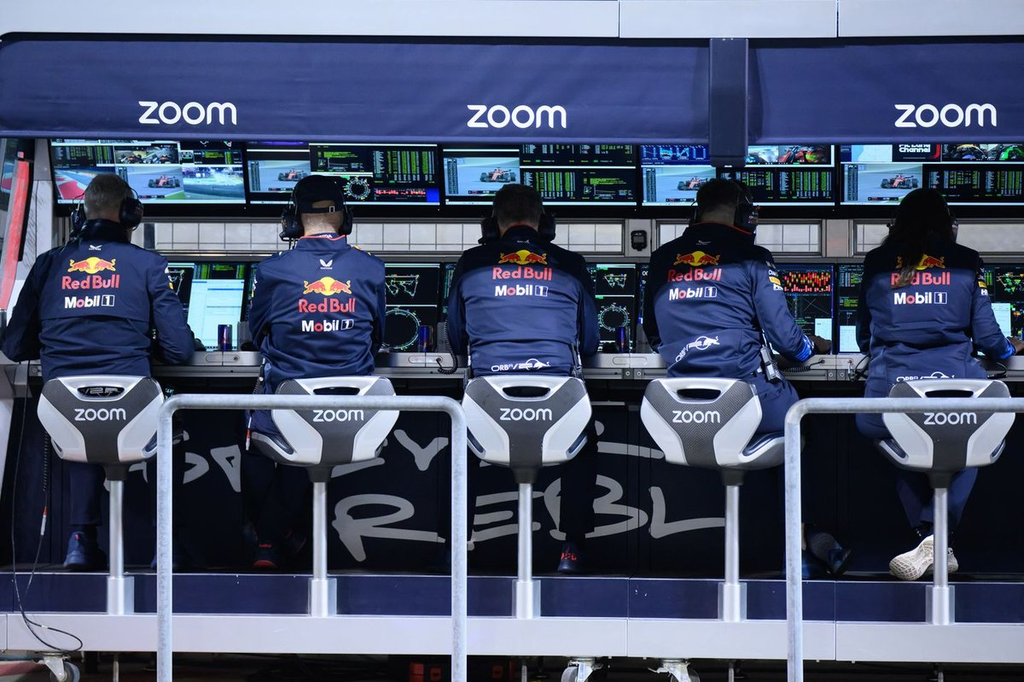
Acting as the Pit Wall for Our Portfolio
In the VC industry, many firms manage their portfolios like a series of isolated drag races. They write a check, put the startup on the track, and leave the founder to navigate the market entirely on their own. Part of it comes from a thought that an investor should let a founder work on his vision without interference. But if the founder discovers a brilliant new operational tool or a highly effective enterprise service, that discovery stays locked inside their own company.
At Auxano, we take a proactive approach towards collaboration, acting like a pit wall. We don’t just want a collection of independent startups driving fast in the same general direction; we want to act as the pit wall for a synchronized team. We take a proactive approach to collaboration, actively seeking out ways our portfolio companies can share their individual “telemetry,” products or learnings, and services to accelerate each other’s growth. Considering the fact that none of our portfolio companies have conflicting interests. A recent experience with one of our investments in the emergency healthcare space illustrates what this looks like in practice.
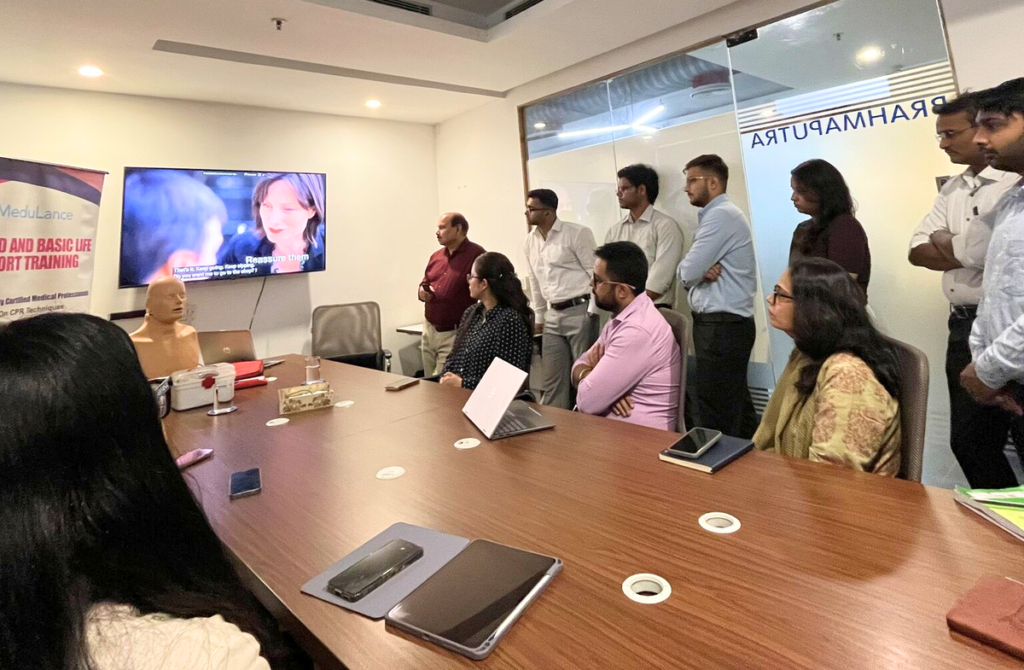
One of our recent investments in a company which provides emergency health services, have an initiative where they provide comprehensive, on-site CPR and first-aid training sessions for corporate offices. Rather than simply reviewing their quarterly revenue growth and cheering from the sidelines, we decided to act as their first test driver. We brought them into our own office to conduct a CPR session for our entire team.
The session was a success. It was practical, empowering, and incredibly well-executed. It became apparent that it is a vital, life-saving service that genuinely improved corporate culture and workplace safety.
At that moment, we looked at the rest of our “grid.” Every single startup in our portfolio operates out of a corporate office, and every single one of those founders has a team of employees whose safety is paramount. As a startup, founders are busy expanding operations, growing customers, hiring and what not. Conducting a CPR session is the least of their concerns if not mandatory for compliance.
We didn’t wait for our founders to discover this healthcare company on their own. We sent a detailed email to all the founders across our portfolio, explaining exactly what this healthcare startup did, sharing our own glowing telemetry from testing the CPR session, and highly recommending that they utilize this service for their own teams. The response was immediate. Many of our portfolio companies took a proactive approach, stepping up to book training sessions for their own offices.
The healthcare startup gained a sudden influx of highly qualified, friendly corporate clients, allowing them to expand their market traction without spending a single dollar on customer acquisition. Simultaneously, our other portfolio companies received a vetted, top-tier service that directly improved their workplace safety and improved compliance.
When we evaluate a new startup for investment, we aren’t just looking at how they will perform on an empty track. We actively ask ourselves:
How can we utilize this new product to help our existing portfolio companies grow and optimize their operations? And just as importantly, how can our existing portfolio step in to help this new investee expand?
Building a successful company from the ground up is difficult and full of blind corners. But when a VC firm actively works to connect its founders, sharing resources, clients, and proven solutions, startups no longer have to race in the dark. They become part of a thriving, interconnected ecosystem where one company’s success ultimately fuels the speed of the entire portfolio.
Author,
Tanmay Gajbhiye